Thinking about a move to Sudbury, MA? If you want more space, quiet streets, and easy access to trails while staying connected to Greater Boston, this town belongs on your shortlist. You might be weighing commute time against yard size, or wondering how daily life works in a small New England town. In this guide, you’ll learn how people get around, where they shop and eat, what housing looks like, and how weekends tend to unfold. Let’s dive in.
Where Sudbury fits in MetroWest
Sudbury sits in Middlesex County within the MetroWest region of Greater Boston. It is west of Route 128/I‑95 and north of the Mass Pike corridor, close to job centers in Framingham, Natick, and Waltham. The town is primarily residential, with a historic center and low‑density neighborhoods that maintain a classic New England feel. You’ll notice an emphasis on open space, conservation land, and a thoughtful approach to growth.
Daily rhythm and neighborhoods
Many residents build routines around school schedules, youth activities, and commutes to Boston, Cambridge, or MetroWest employment hubs. Weekday mornings often start with a school drop‑off, then a drive to a nearby commuter rail station or straight to the office. Afternoons and evenings bring practices on local fields, trail walks, and library visits. Weekends shift toward hiking, town events, and visiting the historic Wayside Inn area.
Town center feel
Sudbury’s historic center has a small‑town atmosphere with municipal buildings, Goodnow Library, and older homes nearby. You can run quick errands, grab a bite at local spots, and attend seasonal events like farmers markets and parades. It is pleasant for short strolls and community gatherings. Retail is modest, which helps preserve a quieter vibe.
Suburban streets
Beyond the center, you’ll find neighborhoods of single‑family homes on medium to large lots. Housing ranges from mid‑century ranches and colonials to newer homes built from the 1980s through the early 2000s and beyond. Streets are calm and residential, with room for play, gardening, and outdoor living. Many homes also include flexible spaces for home offices.
Rural fringe and trails
On the edges of town, properties can abut conservation land and trail networks. Some areas include larger acreage and occasional horse properties. If you value privacy and nature access, these pockets offer a peaceful setting. The tradeoff is a longer drive to major roads and shopping.
Commuting and getting around
Sudbury is car‑first, and most residents drive for daily needs and work. You can reach Route 128/I‑95 and other major connectors for trips into Boston, Cambridge, or nearby MetroWest employers. Traffic varies by time of day, and inbound commutes can stretch during peak hours. Expect a wide range in commute times, from roughly half an hour to more than an hour depending on your destination and when you leave.
Sudbury does not have an MBTA subway stop. For commuter rail, residents typically drive to stations in neighboring towns on the Fitchburg Line or the Framingham/Worcester Line. Many riders pair a short drive with parking and then a train into the city. Public transit is often a multimodal mix rather than a door‑to‑door solution.
Quick planning tips:
- Test‑drive your commute at peak and off‑peak times.
- Scout nearby commuter rail stations, parking options, and schedules.
- Consider a hybrid routine if your job allows remote days.
- Choose a home near main roads for easier access if commuting daily.
Shops, dining, and essentials
Sudbury’s commercial footprint is modest. You’ll find locally owned restaurants, cafés, and services along key roads and near the town center, plus dining at historic venues like the Wayside Inn. Daily errands are straightforward, and community services are close at hand.
For a broader restaurant scene, big‑box stores, and larger shopping centers, many residents drive to nearby Wayland, Framingham, Natick, or Marlborough. This balance lets you enjoy a quieter home base without giving up access to regional amenities. Town resources, including Goodnow Library and community programming, add convenience and connection. Local clinics and medical practices are nearby, while major hospitals are in neighboring communities and the Boston‑Cambridge area.
Parks, trails, and recreation
Conservation land is a defining feature of Sudbury. The town and local land trusts manage a network of parcels and trail systems for walking, running, cross‑country skiing, and nature exploration. Water features, wetlands, and river corridors create scenic backdrops and wildlife habitat. Public playing fields and school facilities support youth sports throughout the year.
Seasonality is part of the charm. Spring brings trail walks and garden planning, summer adds warm‑weather hikes and evening practices, and fall foliage puts on a show. In winter, you’ll see sledding and cross‑country skiing on local trails and open areas. If outdoor time recharges you, Sudbury delivers it close to home.
Schools and family life
Sudbury is served by Sudbury Public Schools for elementary and middle grades and by Lincoln‑Sudbury Regional High School for high school. Families often cite these schools, along with conservation land and community programs, as key reasons to move here. You’ll also find preschool options, regional private schools, and a wide range of youth sports and arts groups. For data on enrollment or performance, review official district and state profiles.
Homes and lot sizes
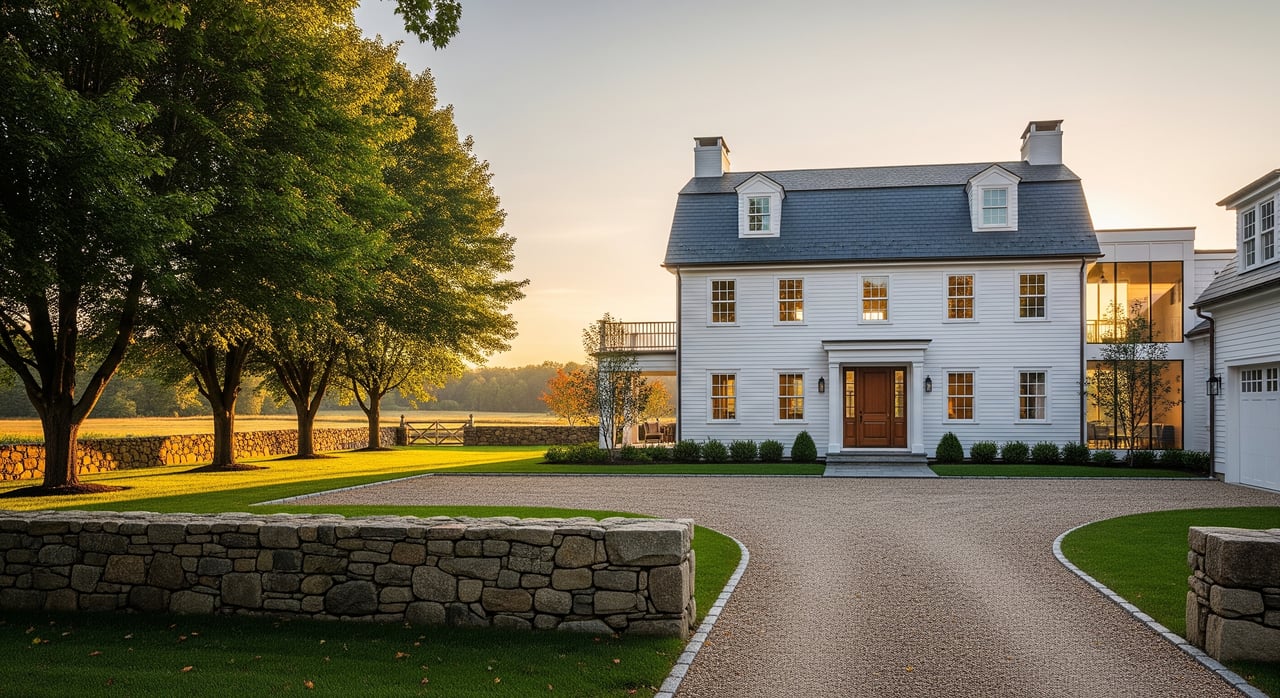
The housing mix skews heavily toward single‑family homes. You’ll see classic New England colonials, mid‑century ranches, and newer traditional or contemporary homes in subdivision settings. Lots tend to be larger than in inner suburbs, and many streets are quiet with minimal through traffic. Town planning and conservation policies help preserve open space and low density.
For growing households
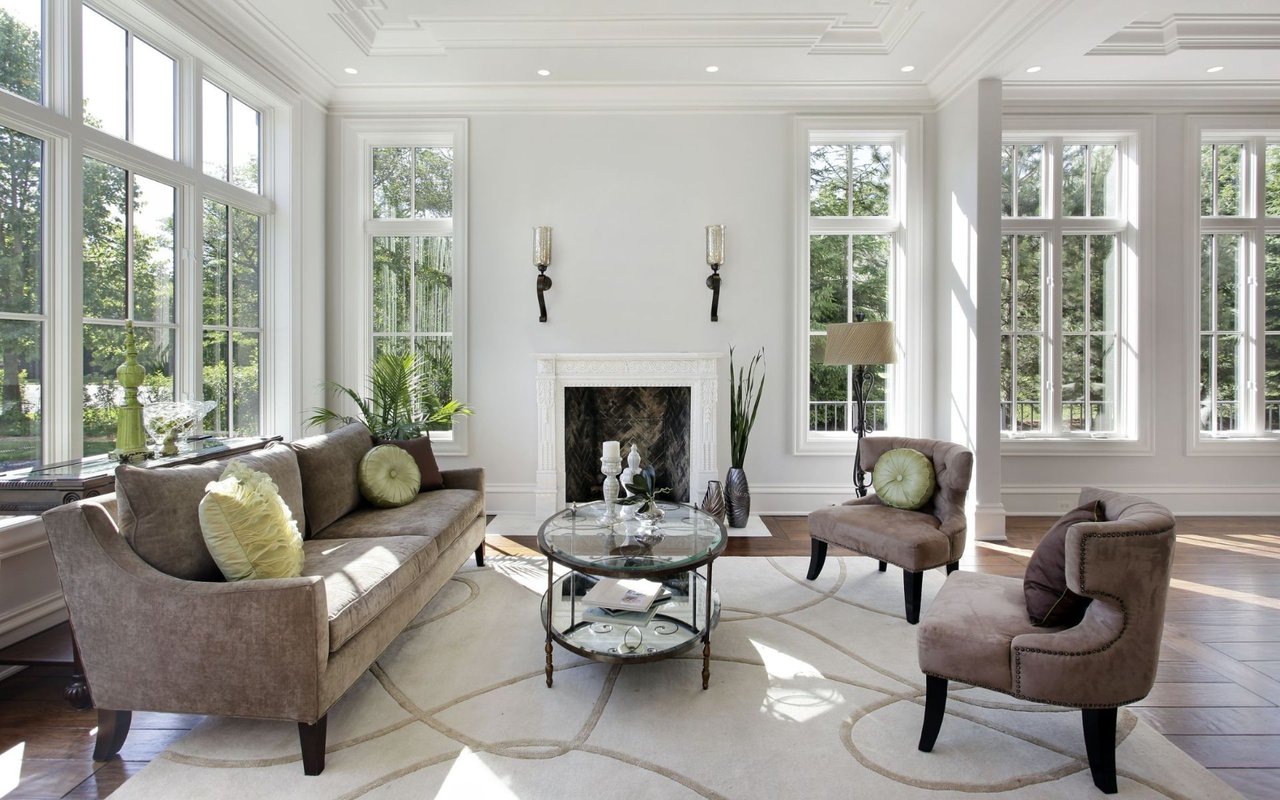
Yards for play, flexible floor plans, and proximity to schools and fields are common priorities. Many buyers look for updated kitchens, finished basements, and office space. If you want separation of bedrooms and living areas, colonial layouts are abundant. Newer builds may offer open‑concept living and modern systems.
For commuters
If you drive daily, consider homes closer to main roads for quicker access to 128/I‑95 and regional routes. If you prefer the train, map nearby commuter rail stations before you house hunt. A short morning drive and reliable parking can make the difference. Balance convenience with your preference for quiet streets or privacy near conservation land.
For downsizers
Single‑story or smaller‑lot options are more limited within Sudbury compared with denser suburbs. You will find some attached homes and condos, but inventory is modest. Many downsizers expand their search to neighboring towns for additional condominium or single‑level choices. If single‑floor living is important, plan for a broader search radius.
Who chooses Sudbury
Sudbury tends to attract buyers who want space, nature access, and a calm residential setting while staying connected to MetroWest and Greater Boston. Households who value trail networks and community activities feel at home here. Relocators often appreciate the balance of larger lots and proximity to regional job centers. If you are trading a city condo for a yard and extra rooms, Sudbury offers a clear lifestyle shift.
Weekend fun
On weekends, many residents hit local trails for a morning walk, then head to youth games or community events. The historic Wayside Inn area provides a scenic spot for dining and exploring. For date nights or big group dinners, you can drive to neighboring towns with broader restaurant choices. Seasonal highlights include fall hikes and winter cross‑country skiing on local paths.
What to consider before you move
- Commute reality: Plan for car‑based travel and variable drive times; test routes during rush hour.
- Transit tradeoffs: Commuter rail is nearby, but it usually requires a short drive and parking.
- Lot size and upkeep: Larger yards offer privacy and play space, with added maintenance.
- Housing mix: Single‑family homes dominate; condo choices are more limited in town.
- Shopping pattern: Expect small‑town retail in town and bigger shopping a short drive away.
- Budget context: Prices are generally higher than statewide averages; review current MLS data when you are ready to shop.
If Sudbury sounds like the right fit, take a guided day in town. Walk the center, tour neighborhoods, test your commute, and explore trails to see how it feels hour by hour. When you are ready to plan your move or coordinate a sell‑and‑buy, connect with Darlene Umina for a free home valuation and a personalized move plan.
FAQs
How long is the commute from Sudbury to Boston?
- Commute times vary widely by destination and traffic; plan for anywhere from roughly 30 minutes to more than an hour, with car travel most common.
Does Sudbury have commuter rail or subway service in town?
- There is no MBTA subway station in Sudbury; most residents drive to nearby towns for commuter rail on the Fitchburg or Framingham/Worcester lines.
Are shops and restaurants walkable in Sudbury’s center?
- The historic center and nearby areas offer small, locally owned spots; for larger shopping centers and more dining choices, residents drive to nearby towns.
What types of homes are common in Sudbury?
- Single‑family homes dominate, especially colonials and mid‑century ranches, plus newer traditional and contemporary houses in subdivision settings.
Is there a lot of outdoor recreation in Sudbury?
- Yes, the town features extensive conservation land and trail networks for walking, running, and winter activities like cross‑country skiing.
What should downsizers know about Sudbury housing?
- Smaller‑lot and single‑story options are limited; many downsizers include nearby towns in their search for more condominium and single‑level choices.