Wondering if you can have a calmer small-town feel without giving up convenience? Ashland, Massachusetts, often stands out for exactly that balance. If you are considering a move to MetroWest, this guide will help you understand what daily life, commuting, outdoor time, and housing options can look like in Ashland. Let’s dive in.
Why Ashland Appeals
Ashland is a small MetroWest community with an estimated 2024 population of 19,391, located about 22 miles west of Boston and 20 miles east of Worcester, according to the U.S. Census QuickFacts. The town describes itself as a New England village with strong regional access, and that identity fits the experience many buyers are looking for.
You get a place that feels more relaxed than a busier urban center, while still staying connected to major job hubs. Local town materials also note that Ashland is home to more than 600 businesses, including family-run restaurants and technology companies, which adds to its everyday convenience and local energy.
Commuting From Ashland
For many buyers, the biggest draw is how easy Ashland can make a regular commute. The town has direct access to the Framingham/Worcester commuter rail line, along with major routes including Route 9, Route 126, Route 135, I-90, and I-495, based on the town’s economic development profile.
If you commute into Boston, Ashland offers rail service to Back Bay and South Station. The town reports a typical travel time to Back Bay of about 42 to 45 minutes, plus roughly 700 MBTA parking spaces near the station, which can be a meaningful advantage if you want a suburb with train access.
Ashland also offers local and regional transit options beyond the commuter rail. The town notes that MWRTA fixed routes include Route 5 along Route 135 and Route 6 along Route 126, giving you another way to get around for errands, connections, and day-to-day travel.
Outdoor Space and Recreation
One of the best parts of living in Ashland is how easy it is to spend time outside. The area offers a mix of trails, parkland, and water access that supports everything from quick weekday walks to longer weekend outings.
Ashland State Park is a major local highlight. The park spans 470 acres and includes a 3.5-mile loop trail around the reservoir, with seasonal opportunities for hiking, swimming, fishing, boating, and mountain biking from Memorial Day through Labor Day.
Within town, the Riverwalk gives you a convenient trail connection between downtown Ashland and the MBTA station. Town information describes it as a 0.8-mile trail with an ADA observation deck and bridge, making it a useful and pleasant local amenity.
The Trolley Brook Trail adds another easy outdoor option. This 0.6-mile paved segment of the Upper Charles Trail runs through wetlands and wooded land, and town materials also point to places like Ashland Town Forest and Warren Woods as part of the community’s outdoor identity.
Community Life in Ashland
Ashland’s lifestyle is not just about location. It is also about having enough going on locally that your weekends and evenings do not always have to revolve around driving somewhere else.
The town’s community events calendar highlights popular local events such as Ashland Day, the Dragonfly Festival, Illuminate Downtown Ashland, events at The Corner Spot, and the Ashland Farmers Market. These kinds of recurring events can make it easier to feel connected to the town over time.
For households looking for year-round activities, the Ashland Recreation Center offers a wide range of programming. According to the recreation department, options include summer day programs, after-school activities, preschool art, music, gym programs, and family trips.
Dining in Ashland also reflects that practical small-town appeal. The restaurant directory shows a broad casual mix, including cafés, diners, bagel shops, pubs, ramen, taquerias, pizza, and dessert spots, giving you variety without the pace of a larger city dining scene.
Housing Options in Ashland
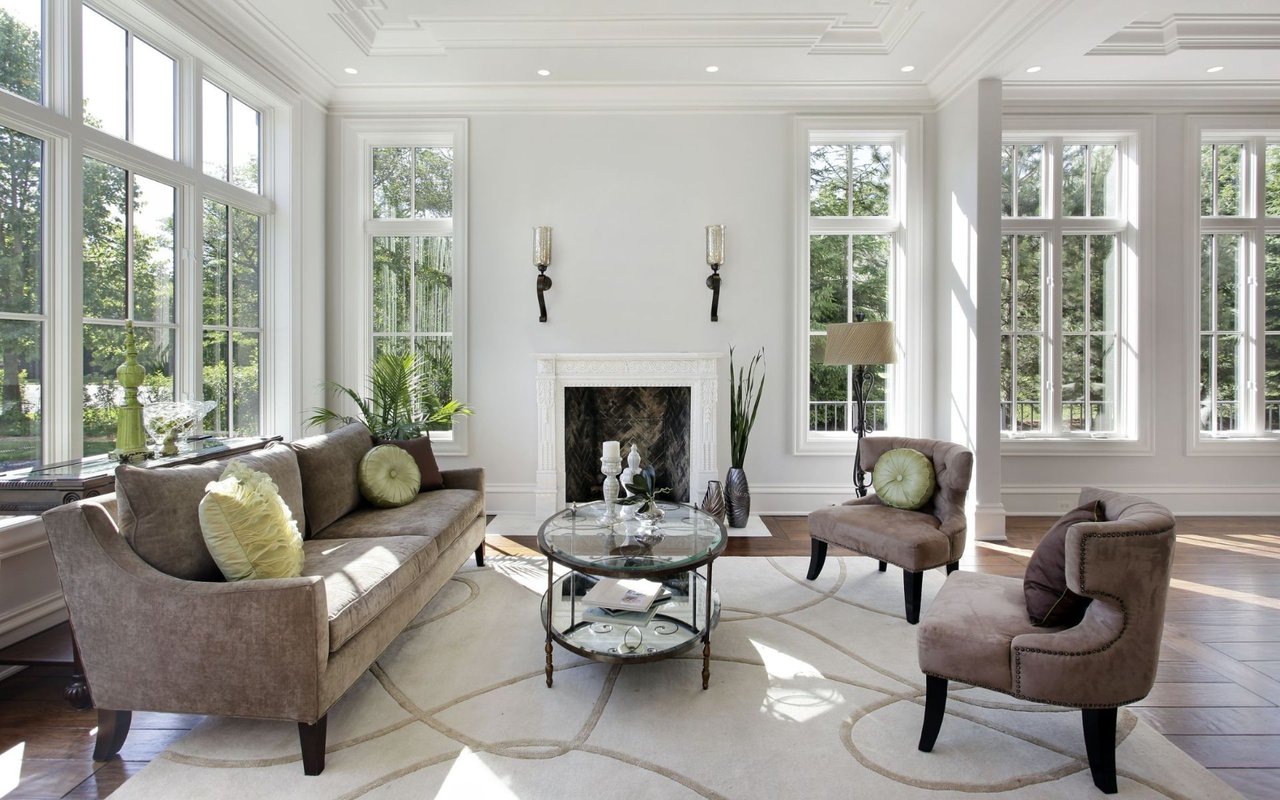
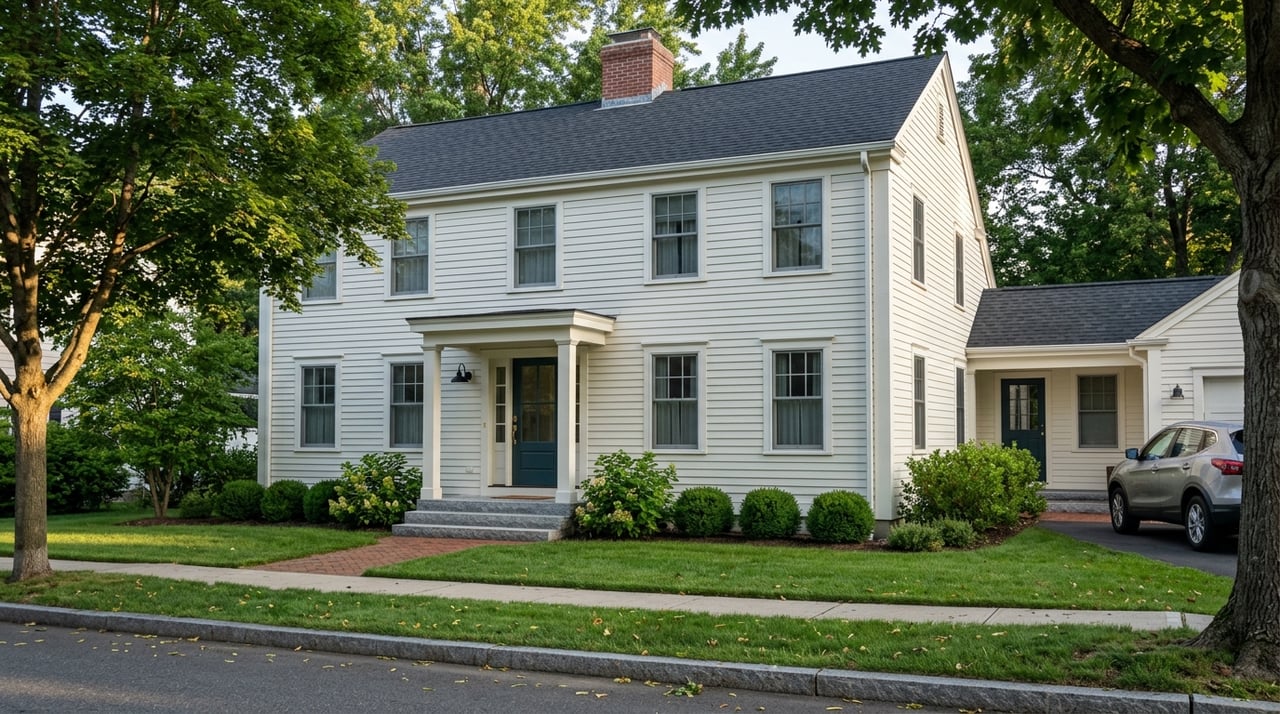
Ashland’s housing stock is one of the reasons it attracts different types of buyers. Planning documents describe the town as having more housing variety than many nearby communities, with single-family homes, two-family dwellings, townhouses, condominiums, and some multifamily and mixed-use areas.
That variety matters if you are trying to match budget, commute, and lifestyle. Town materials note that many condominiums are townhouse-style units, while older capes and ranch homes sit alongside larger houses, so you can find a wider mix of home styles than in some towns with a narrower housing profile.
Recent market snapshots from early 2026 show a median listing price around $589,900 and a median sale price around $625,000. Census data in the town’s planning materials places the median value of owner-occupied homes at $586,000, median gross rent at $2,334, and the owner-occupied rate at 75.5%.
Taken together, those figures suggest a mid-to-upper suburban market with options for buyers looking for attached homes near transit, classic detached homes, or move-up opportunities in MetroWest. Ashland is also identified as an MBTA Community, and town materials show ongoing station-area zoning work tied to a half-mile radius around the commuter rail.
What Daily Life Can Feel Like
If you are comparing MetroWest towns, Ashland often fits buyers who want a middle ground. It offers useful transportation access, local businesses, and outdoor amenities, but it still keeps a more low-key, neighborhood-oriented feel than some larger or busier communities.
That can be especially appealing if you want a home base that supports both routine and flexibility. You may be heading into Boston a few days a week, spending weekends on the reservoir loop, or looking for a town where grabbing coffee, taking a walk, and getting to the train all feel manageable.
Is Ashland Right for You?
Ashland can be a strong fit if you value convenience without wanting constant activity around you. Its commuter rail access, major road connections, local events, and range of housing types make it worth a close look for buyers who want practical access and a quieter setting.
It can also be worth exploring if you are planning a coordinated move within MetroWest. If you need to sell one home and buy another on a tight timeline, choosing a town with different price points, housing styles, and transit access can create more options.
If you are thinking about a move to Ashland or comparing it with other MetroWest towns, Darlene Umina can help you build a clear plan around timing, pricing, and your next steps.
FAQs
What is Ashland, MA known for?
- Ashland is known for its small-town New England feel, commuter rail access to Boston, local community events, and outdoor destinations like Ashland State Park, Riverwalk, and the Trolley Brook Trail.
How is commuting from Ashland, MA?
- Ashland offers access to the Framingham/Worcester commuter rail line, major routes including Route 9, Route 126, Route 135, I-90, and I-495, and local MWRTA bus routes for added transportation options.
What types of homes are available in Ashland, MA?
- Ashland offers a mix of single-family homes, two-family homes, townhouses, condominiums, and some multifamily and mixed-use housing, according to town planning documents.
Does Ashland, MA have things to do outdoors?
- Yes. Ashland offers outdoor options including Ashland State Park, the Riverwalk, the Trolley Brook Trail, Ashland Town Forest, and Warren Woods.
Is Ashland, MA a good option for MetroWest buyers?
- Ashland can appeal to MetroWest buyers who want a quieter community with train access, major road connections, local amenities, and a range of housing choices.