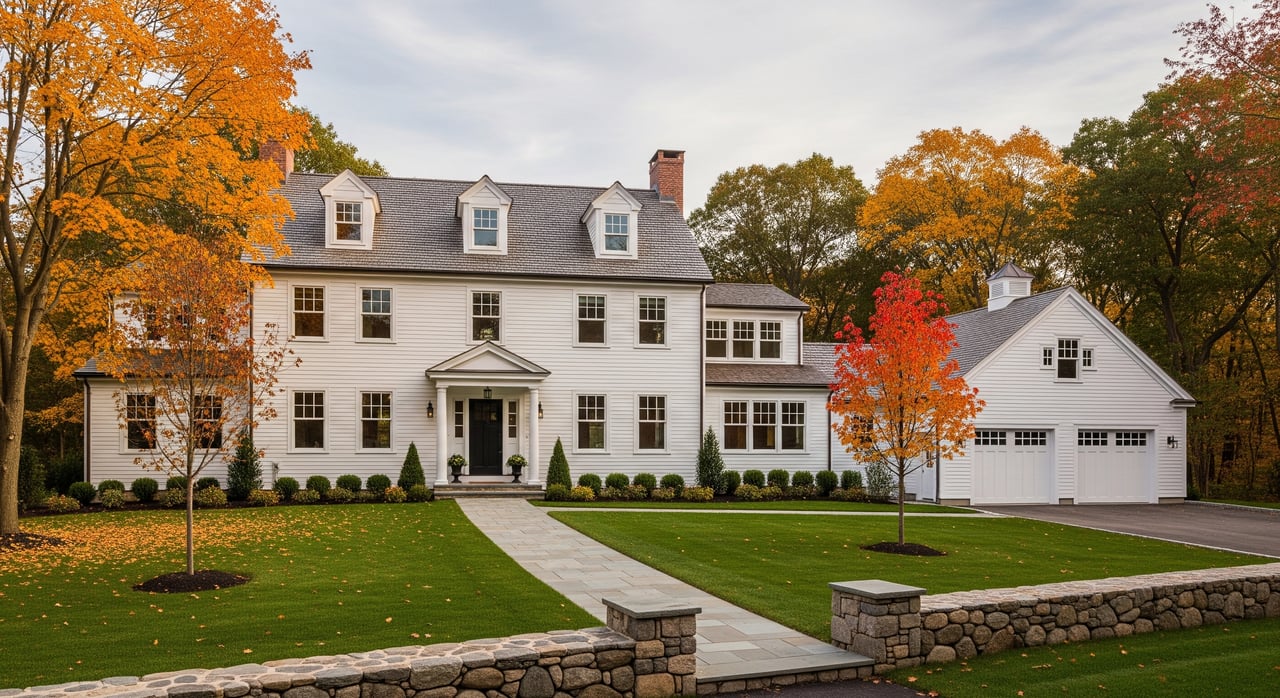
Worried your appraisal might derail your Hopkinton move? You are not alone. In a market with low turnover and strong demand, appraisals can feel unpredictable. This guide shows you how the process really works in Hopkinton, what appraisers look for, why appraisal gaps happen, and how to prepare so your deal stays on track. Let’s dive in.
Appraisal basics in Hopkinton
An appraisal is an independent estimate of market value prepared for a specific lender and loan program. It is different from a listing agent’s CMA and your town’s assessed value. For most mortgages, the lender requires an appraisal unless an appraisal waiver applies.
In Massachusetts, appraisers must be licensed or certified by the state Board of Registration of Real Estate Appraisers and follow USPAP standards, along with agency guidelines for programs like Fannie Mae, Freddie Mac, FHA, and VA. The lender or its appraisal management company assigns the appraiser and manages the process.
Who orders and pays: your lender orders the appraisal and typically pays the appraiser, then the borrower reimburses the fee as part of closing costs. Buyers sometimes pay directly for a private appraisal, but that is separate from the lender’s required report.
The appraisal process, step by step
- Order and assignment: Your lender or AMC assigns a qualified appraiser based on the loan type and property.
- Research: The appraiser reviews public records, MLS history, permits, maps, and prior sales.
- On-site visit: They tour the interior and exterior to verify bedrooms and baths, square footage, layout, systems, updates, and condition. They take photos of key rooms, the exterior, and any visible defects.
- Comparable sales: The appraiser selects recent, nearby sales of similar homes. If Hopkinton sales are limited, they may expand to neighboring towns and adjust for differences.
- Valuation approaches: For single-family homes, the sales comparison approach is primary. Cost and income approaches can support the analysis when relevant.
- Report to lender: The appraiser submits a standardized report. The underwriter reviews it and can ask for clarifications or a reconsideration of value if new evidence is provided.
Timeline: Scheduling through inspection and the final report often takes 7 to 14 days in normal conditions. During busy seasons or staffing shortages, it can stretch to 2 to 4 weeks or more. Reconsideration requests add time.
What drives value in Hopkinton
Appraisers do not just look at bedroom count. They weigh a mix of location, comparable sales, condition, and market timing. In Hopkinton, a few factors stand out.
Neighborhood and location
Hopkinton’s position in MetroWest, access to major routes, and commuter rail proximity contribute to demand. Micro-location matters, such as a quiet cul-de-sac, proximity to town amenities, and commute convenience. Appraisers compare similar locations and make adjustments when needed.
Comparable sales supply and geography
Hopkinton is a lower-turnover suburban market. That can mean fewer recent sales of truly similar homes. When local comps are sparse, appraisers may include sales from Ashland, Southborough, Westborough, or Holliston. They then adjust for differences in school district, municipal services, lot sizes, and commuting time.
Property characteristics and condition
Gross living area, layout, and the quality of construction carry significant weight. Recent, permitted renovations to kitchens, baths, roofs, and systems support value. Unpermitted work often receives negative adjustments or is excluded from value. Deferred maintenance, water issues, or structural concerns tend to reduce value.
Lot, views, and site factors
Lot size, topography, privacy, and any wetlands or drainage constraints can move value up or down. In Hopkinton, larger or private wooded lots often command premiums. Appraisers also note utilities, such as municipal sewer versus septic and municipal water versus well, and adjust if needed.
Schools and community amenities
Public school reputation and town services contribute to buyer demand. Appraisers reflect this through comparable sales and market behavior. You will not see a school rating in the report, but you may see adjustments tied to buyer preferences that show up in sales data.
Market conditions and time frame
Appraisers work to capture today’s market, not last season’s. In fast-moving periods, they favor recent sales and may apply time adjustments to older comps. When volume slows, they expand to 6 to 12 months and adjust for the changing market.
Why appraisal gaps happen in Hopkinton
Sometimes the appraised value comes in below the contract price. In Hopkinton, a few common causes come up again and again:
- Strong demand and low inventory push buyers to compete above list price, while appraisals must anchor to closed, verifiable comps.
- Limited recent local comps force appraisers to use older or neighboring-town sales with bigger adjustments, which increases variance.
- Unpermitted renovations or thin documentation for upgrades reduce how much value an appraiser can assign.
- The market shifts between the contract date and the comp dates, and the appraiser applies conservative time adjustments.
- Access issues or missing information, such as an unavailable finished basement or locked mechanical rooms, can affect measurements and condition ratings.
The bottom line: in a desirable, low-turnover town, the market can move faster than the comparable sales. That is where gaps emerge.
If the value comes in low: your options
A low appraisal does not have to end your deal. You have practical paths forward:
- Buyer covers the difference: Increase the down payment or bring cash to close to bridge the gap.
- Renegotiate price or split the gap: Buyer and seller can agree to meet in the middle.
- Reconsideration of value: Ask the lender to submit stronger comps and documentation for the appraiser to review. Success depends on the quality of evidence and the appraiser’s analysis.
- Second appraisal: Lenders rarely allow multiple appraisals on the same file. In limited cases, the underwriter may authorize another report.
- Appraisal waiver or automated valuation: Some conventional loans qualify based on borrower and property data. Eligibility depends on the loan program.
- Cancel the deal: If no agreement is reached and the buyer cannot cover the shortfall, the lender may not fund.
How to prepare and reduce surprises
A little preparation goes a long way. Use these checklists to support a smooth appraisal.
For sellers
- Price with data: Use a thorough pre-listing CMA. If you are on the edge of the market, consider a broker pricing opinion.
- Create a documentation packet: Include the signed contract, MLS sheet, your improvements list with dates and contractors, permits and receipts, floor plan, survey, septic or sewer information, and the tax card.
- Share relevant comps: Provide your agent’s best supporting closed sales with notes on why they align.
- Ensure full access: Unlatch all living areas, basements, finished attics, and outbuildings. Do not over-stage or block mechanicals.
- Tidy up condition items: Touch up peeling paint and fix small leaks to avoid a lower condition rating.
For buyers
- Know the timeline: Expect 7 to 14 days in normal circumstances and plan for delays during busy seasons.
- Anticipate a gap: If you are offering above list in a hot micro-market, discuss how you will handle a shortfall.
- Support the value: Work with your agent to pass the seller’s documentation packet to the lender and appraiser through the proper channels.
- Protect your financing: Understand your financing and appraisal contingencies before you write the offer.
For both parties
- Gather must-have records: The property tax card, permit history, surveys or plot plans, utilities and system details, easements, and any encroachments.
- Use a comparison sheet: If you are working with an agent, include closed and pending sales with brief notes on adjustments.
- Keep communication clear: Respond quickly to appraiser questions and underwriter requests to avoid delays.
Timeline: what to expect in Hopkinton
- Ordering and scheduling: 1 to 7 days depending on appraiser availability.
- Inspection to report: Often 3 to 7 days once the visit is complete.
- Underwriter review: 1 to 3 days, plus more if clarifications are needed.
- Reconsideration of value: Add several days to a week or more for submission and review.
During peak spring and early summer, expect longer lead times. Staffing and low inventory can stretch the process.
Seasonality and timing
New England real estate has a clear rhythm. Spring tends to have the most listings and sales, with fall a close second. Winter is slower, so appraisers often rely on older comps and then adjust for time.
In Hopkinton, the spring surge can create a lag between rapidly rising contract prices and the closed comps available to support them. That lag increases the chance of appraisal gaps. In winter, older comps plus time adjustments can also widen the gap between the contract and appraised value.
Planning tip: if you are targeting a spring sale or purchase, discuss appraisal strategy early, including documentation and contingency planning.
When to lean on a local team
A clear plan reduces stress and keeps your move on schedule. From staging consultations to coordinated sell-and-buy timelines, a local team can help you price with confidence, present your home at its best, and prepare the right appraisal packet so value is easier to support. If you are buying, the right strategy can help you write a competitive offer while protecting your financing.
If you want a tailored plan for Hopkinton, reach out to Darlene Umina for a friendly, data-driven consultation. Get your free home valuation and move plan.
FAQs
Who orders the appraisal and who pays?
- The lender orders the appraisal, and the borrower typically pays the fee as part of closing costs.
How long does a home appraisal take in Hopkinton?
- Scheduling, inspection, and the report often take 7 to 14 days, but it can run 2 to 4 weeks or more in busy seasons or if a review is needed.
What do appraisers look for during the visit?
- They verify square footage, bedrooms and baths, overall condition, systems and updates, basement and garage, and note any visible defects, along with required photos.
Can I challenge a low appraisal?
- Yes. You can request a reconsideration of value through your lender, supplying stronger comparable sales and better documentation.
What happens if the appraisal is below the purchase price?
- Options include the buyer bringing more cash, a price reduction or split, a reconsideration of value, or in limited cases a second appraisal, subject to lender rules.