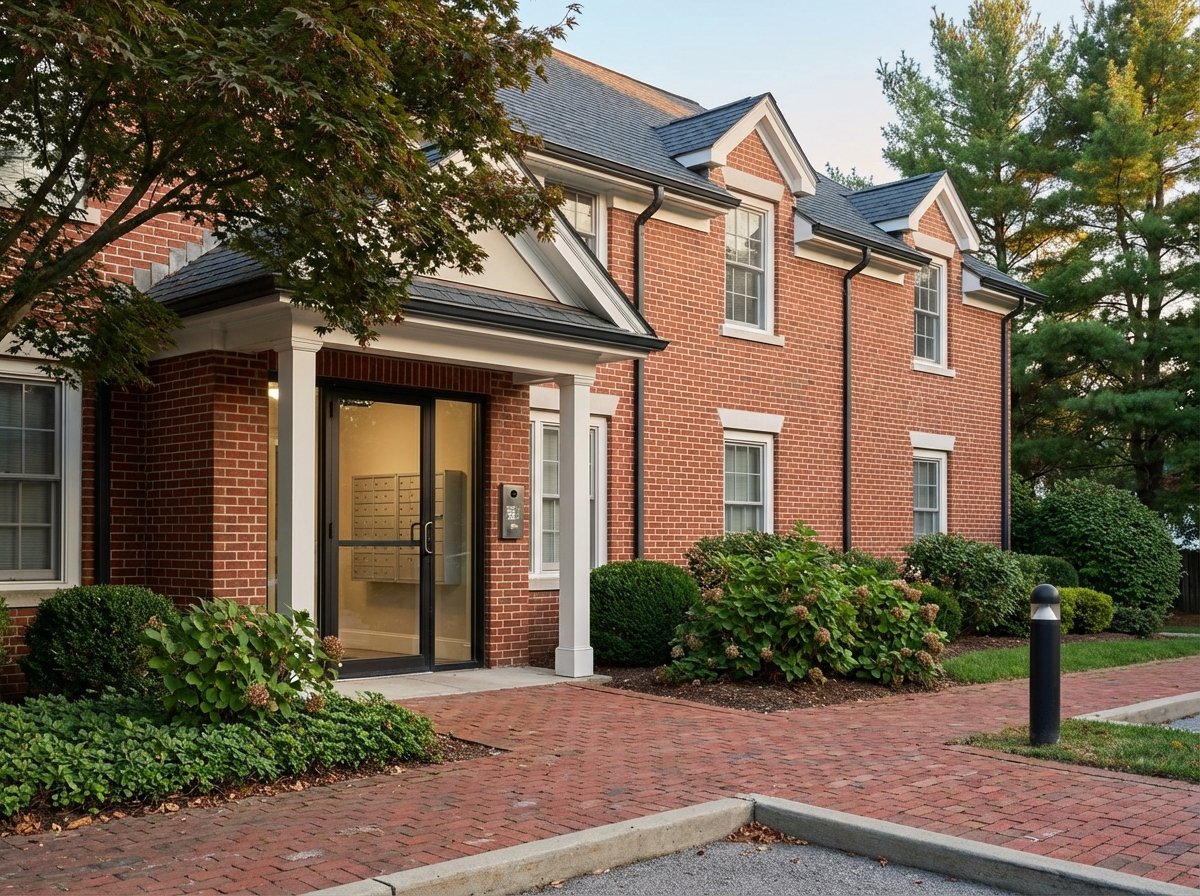
Thinking about trading yard work for a turnkey condo in Natick? You’re not alone. With strong commuter access, walkable pockets, and a range of styles from garden units to mid-rise buildings, condos can offer a lower-maintenance path into MetroWest living. In this guide, you’ll learn where Natick condos cluster, what monthly costs to expect, how financing and HOA rules work in Massachusetts, and what drives resale value. Let’s dive in.
Why consider a Natick condo
Market snapshot and price context
Natick condos are often more affordable than single-family homes in town, but they remain a premium option within Greater Boston. Local reports show condo median sale prices trending up through 2024–2025, with a median near about $725,000 year-to-date by mid-2025. Because town-level prices shift with inventory and rates, plan to verify current figures when you shop. You can get a feel for the trend from this recent local summary on rising prices and condo demand in Natick (patch.com market update).
Where condos cluster in Natick
- Natick Center: Newer small-townhome communities and select loft-style conversions offer a short walk to shops, dining, and the commuter rail.
- West Natick: Larger garden-style complexes from the 1980s–1990s are common, often with pools, tennis courts, and proximity to the West Natick MBTA stop.
- Route 9 and the Golden Triangle: Mid-rise buildings and mid-to-late 2000s construction sit near major shopping and highway access.
Transit access is a major driver of condo demand. Review MBTA options and local connectivity on the town’s transit page (Natick transit overview).
What these buildings look like
You’ll see three broad categories in Natick:
- Garden-style communities built in the 1980s–1990s, usually 1–2 stories with shared outdoor amenities.
- Mid-rise options from the 2000s that offer elevators, garage parking, and professional management.
- Newer townhomes and select mill or commercial-to-residential conversions near Natick Center.
Monthly costs to plan for
HOA fees and what they include
Monthly association fees in Natick typically range from about $300 to $1,100. Garden-style units often sit at the lower end, while full-service mid-rises tend to be higher. Fees commonly cover landscaping, snow removal, common-area maintenance, a master insurance policy for the building, trash, and sometimes heat or hot water. They usually do not cover your personal property or any upgrades inside your unit. Use the fee as a signal of what’s included and how the association is staffed or amenitized.
Recent listing snapshots in Natick illustrate the spread: smaller garden communities have shown fees near the low $300s, larger garden complexes often in the mid-$400s, and high-amenity mid-rises around the $1,000 mark. Treat these as examples, not guarantees. Final numbers depend on the specific association and unit.
Property taxes and local surcharges
Natick’s preliminary FY2026 residential tax rate was published at $12.84 per $1,000 of assessed value, and the town adopted a 1.0% Community Preservation Act surcharge beginning in FY2024. Both typically show on your annual tax bill and should be included in your monthly cost planning. You can review the town’s latest tax and budget notices for context (Natick municipal update).
Insurance basics for condo owners
The condo association usually carries a master policy for the building shell and common areas. As an owner, you buy an HO-6 policy, which covers your personal property, interior finishes that are not part of the master policy, personal liability, and optionally loss-assessment coverage. Pay special attention to whether your association’s master policy is “bare-walls” or “all-in,” and confirm the master policy deductible and coverage limits. A concise primer on how master and HO-6 policies work together is helpful here (master vs. HO-6 overview).
Financing and approvals
Lender rules to confirm early
Condo mortgages come with extra checks. Many lenders must review the condominium project’s budget, reserves, owner-occupancy levels, and litigation status before approving your loan. FHA maintains a searchable list of approved condo projects, and single-unit (spot) approvals can be possible depending on the building. Conventional lenders follow Fannie Mae and Freddie Mac project standards. If a project has low reserves, high delinquencies, or open litigation, you may need a different loan program or a larger down payment. Always verify project eligibility with your lender at the start of your search (FHA condo lookup).
Association governance in Massachusetts
What the HOA manages
Under Massachusetts General Laws Chapter 183A, associations typically manage common areas, set and collect assessments, carry building insurance, and maintain a replacement reserve fund. Buyers should request the reserve balance, recent financials, and details on any planned or recent special assessments. You can read the statutory framework that governs these responsibilities (Chapter 183A, Section 10).
Reserves and special assessments
State law requires an adequate replacement reserve fund but does not mandate a fixed percentage. Many lenders look for meaningful reserves, sometimes near 10% of the operating budget, or a recent professional reserve study. Associations with thin reserves face a higher risk of special assessments when big projects arise. Ask for the latest budget, reserve schedule, and any engineering reports.
EV charging and recent updates
Massachusetts recently updated condo governance provisions effective in 2025 to address electric-vehicle supply equipment and related issues that may affect parking, charging, and future retrofits. Knowing these rules helps you understand potential costs and opportunities for your building over time (condo statute updates).
Document red flags to watch
Common issues include very low reserves, a high percentage of past-due dues, ongoing litigation, unclear parking rules, strict renovation limits, or rental policies that can change cash flow or resale prospects. Many of these items align with lender risk factors outlined in project underwriting guidelines (condo project risk factors).
Buyer fit and resale drivers
Who a Natick condo suits
- Downsizers who want lower direct maintenance with convenient access to services.
- Budget-minded buyers who prefer a smaller footprint over high yard or exterior upkeep.
- Commuters who value proximity to the Natick Center or West Natick MBTA stops and Route 9.
- Investors who understand HOA rules, reserve health, and rental restrictions.
What helps resale in Natick
Units within walking distance of Natick Center and the commuter rail often capture stronger demand. Projects with sound financials, amenities that match buyer expectations, and FHA/VA eligibility can help widen the future buyer pool. Natick’s overall market has periods of seller advantage and remains competitive, though condo performance can lead or lag single-family trends depending on supply. For a pulse on local momentum, see high-level snapshots of the market (Natick market overview).
Your quick buyer checklist
Before you make a firm offer, request and review:
- Master Deed, Declaration, and recorded covenants
- By-laws and current rules and regulations
- Current-year budget and the past 2–3 years of financials
- Replacement reserve balance and any reserve study or engineering report
- Board meeting minutes for the last 12 months
- Master insurance declarations page with coverage limits and deductibles
- Statement on any pending or threatened litigation
- Unit owner delinquency schedule (percentage and dollars past due)
- Management contract and a history of special assessments over 5 years
- FHA/VA approval status (confirm with the HOA/manager or the FHA database)
How Darlene & Company helps
A smooth condo purchase in Natick comes down to early homework and clear guidance. Our team coordinates the HOA document request up front, flags reserve and budget concerns, and partners with trusted lenders to confirm project eligibility before you fall in love with a unit. We also provide local comps across building types, explain how transit proximity and amenities affect value, and map out a timeline that fits your move.
If you’re comparing garden-style, mid-rise, and new townhome options, we’ll help you see the true monthly costs and long-term tradeoffs. Ready to find the right fit and buy with confidence? Connect with Darlene Umina for a custom Natick condo game plan.
FAQs
What are typical HOA fees for Natick condos?
- Many Natick condos fall in the $300 to $1,100 per month range, with garden-style buildings on the lower end and full-service mid-rises higher based on amenities and inclusions.
How are Natick condo property taxes calculated?
- Natick’s preliminary FY2026 residential rate is $12.84 per $1,000 of assessed value, plus a 1.0% Community Preservation Act surcharge that appears on annual tax bills (town update).
What insurance do I need as a Natick condo owner?
- Your association holds a master policy, and you buy an HO-6 for personal property, interior finishes, liability, and optional loss-assessment coverage; confirm master policy type and deductibles (insurance overview).
Can I use an FHA loan to buy a Natick condo?
- Yes, if the project is FHA-approved or eligible for a single-unit approval; check the building on the FHA database and confirm with your lender early (FHA condo lookup).
What condo documents should I review before making an offer?
- Ask for the Master Deed, by-laws, rules, current budget and recent financials, reserve balance and studies, board minutes, master insurance declarations, delinquency and assessment history, litigation status, and FHA/VA approval details.